









How Much Protein in Moringa Powder? A Complete Guide for Health-Conscious Indians
If you are trying to increase your daily protein intake without relying only on whey shakes or heavy meals, you have probably come across moringa. But the real question is: how much protein in moringa powder actually makes it worth adding to your routine?
Here is what the research says. Dried moringa leaves contain approximately 22.99% to 29.36% protein by weight, according to peer-reviewed nutritional analysis. That means nearly one-fourth of high-quality moringa powder is protein, making the protein content in moringa powder significantly higher than most leafy greens.
For busy professionals in India juggling work, workouts, and family, nutrition often becomes confusing. You want plant-based, clean, efficient nutrition. You want something that supports immunity, energy, and muscle recovery. And you want it to fit seamlessly into your morning smoothie or dal without extra effort.
Let us break it down with data, clarity, and practical insights.
What Is Moringa and How Much Protein in Moringa Powder?
Moringa comes from the leaves of the Moringa oleifera tree, commonly known as the drumstick tree in India. The leaves are dried and ground to form moringa powder.
Now, coming to the core question: how much protein in moringa powder?
On average:
- 100 grams of moringa powder contains 20 to 27 grams of protein
- 1 tablespoon, approximately 7 grams, provides about 1.5 to 2 grams of protein
The exact protein content in moringa powder can vary depending on growing conditions, soil quality, and processing methods.
For comparison:
- 100 grams spinach: about 2.9 grams protein
- 100 grams eggs: about 13 grams protei
- 100 grams moringa powder: up to 27 grams protein
For a plant-based leaf powder, yes, it is significantly protein-dense.
Wondering how timing affects the effectiveness of moringa’s nutrients and protein? Read our guide on whether it’s better to consume moringa in the morning or at night.
Why It Matters for Health-Conscious Professionals in India
If you work long hours, hit the gym occasionally, and try to eat clean, protein becomes critical.
Protein supports:
- Muscle repair and growth
- Sustained energy levels
- Hormonal balance
- Immune function
- Satiety and weight management
Most Indian diets are carb-heavy. Even vegetarians who eat dal daily may not always hit optimal protein levels. This is where smart additions like moringa powder in smoothies, energy laddoos, roasted makhana blends, or even moringa-infused protein bars can help bridge the gap without drastically changing your regular meals.
Understanding how much protein in moringa powder helps you see it as a supportive addition, not a miracle replacement. It is especially useful if:
- You are vegetarian or vegan
- You are trying to reduce processed supplements
- You want plant-based micronutrients with protein
Since you’re interested in moringa’s nutritional value, don’t miss our expert tips on choosing the best moringa supplement for sustained energy.
Benefits of Protein in Moringa
When discussing protein in moringa, it is not just about the grams. It is also about quality.
1. Contains Essential Amino Acids
Moringa leaves contain all nine essential amino acids, including:
- Leucine
- Isoleucine
- Valine
- Lysine
This makes the protein content in moringa leaves nutritionally valuable, especially for plant-based diets.
2. Supports Lean Muscle Maintenance
While it is not a replacement for whey protein, the protein in moringa supports:
- Muscle recovery after light workouts
- Lean muscle preservation during weight loss
3. Enhances Nutrient Density
Moringa is not just about protein. It also contains:
- Iron
- Calcium
- Vitamin C
- Antioxidants
So when you calculate how much protein in moringa powder, remember you are also getting micronutrients in the same serving. Whether you add it to smoothies, sprinkle it over meals, or enjoy it as moringa tea, you are boosting your routine with antioxidants, vitamins, and minerals along with plant-based protein.
4. Suitable for Weight Management
Because protein increases satiety, adding moringa to smoothies or breakfast bowls can help control mid-day hunger spikes.
If you’re exploring moringa for nutrition, you might also be interested in how it benefits skin health and complexion.
How to Add Moringa Powder to Your Daily Diet
If you are convinced about the protein content in moringa powder, here is how to use it effectively.
Step 1: Start Small
Begin with:
- 1 teaspoon daily
- Gradually increase to: 1 tablespoon per day
This gives you around 1.5 to 2 grams of protein per serving.
Step 2: Add to Easy Meals
Try it in:
- Morning smoothie with banana and peanut butter
- Lemon water with a pinch of black salt
- Dal or vegetable sabzi
- Protein oats

Step 3: Pair With Other Protein Sources
If your goal is muscle gain, combine moringa with:
- Greek yogurt
- Sprouts
- Paneer
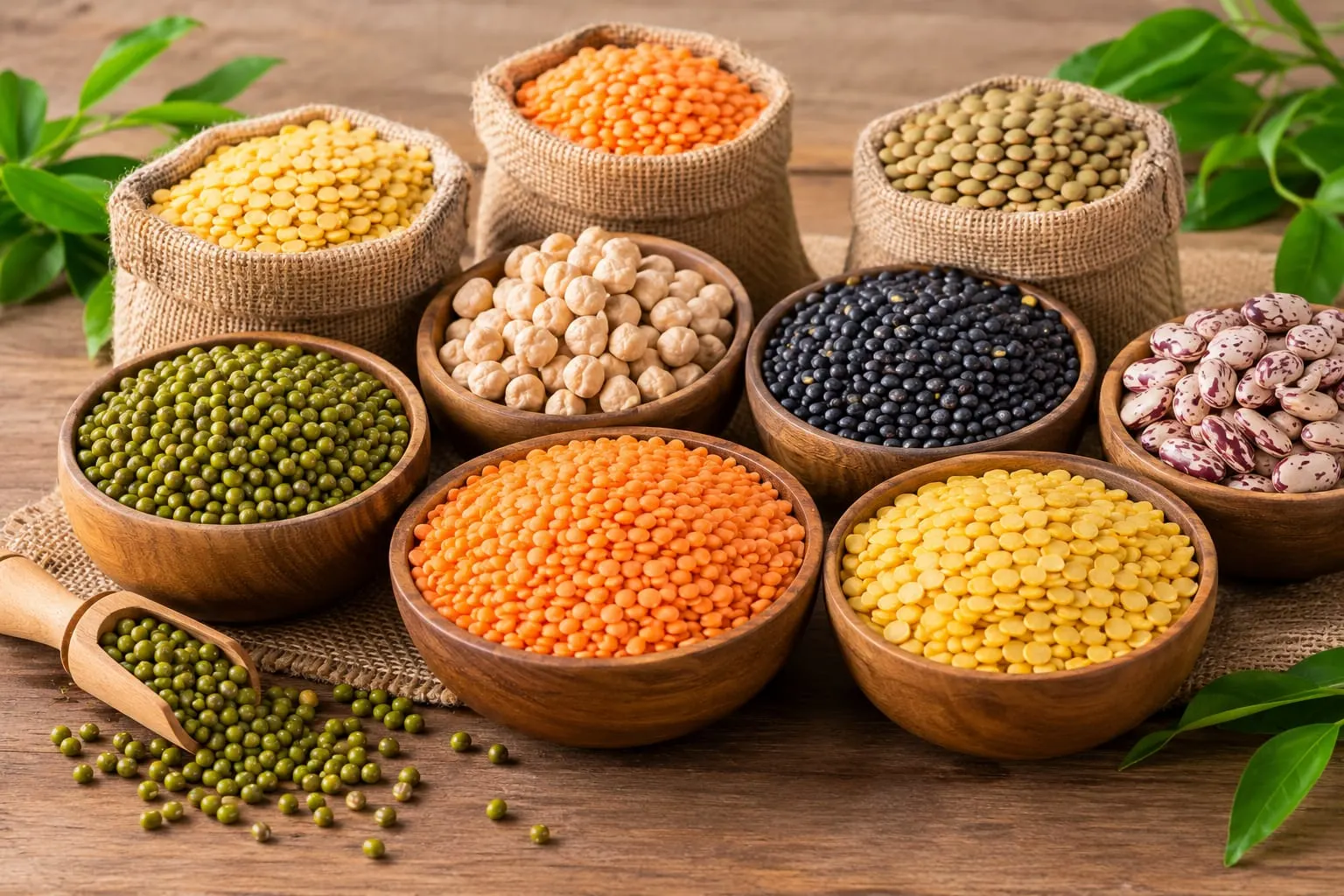
- Lentils
- Whey or plant protein